Sweepstakes
Sweepstakes Casino Legality by State, 2026 Guide
By HKGambler15 min read
Full breakdown of sweepstakes casino legality across all 50 US states in 2026, including 8 banned states, 3 restricted, recent legislation like AB 831, and what it means for players.
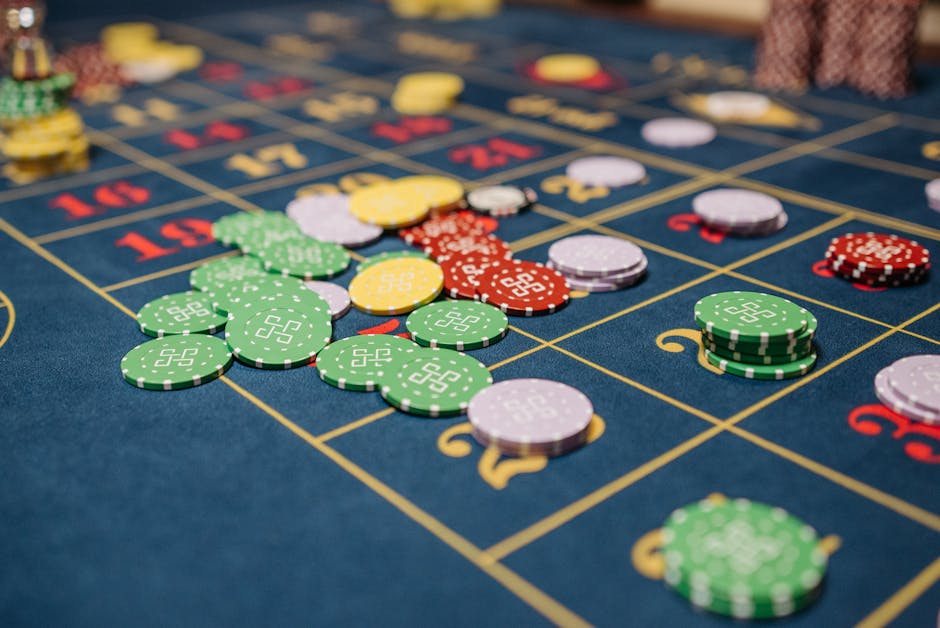
Sweepstakes casinos are legal in most US states, but not all of them. The landscape shifted significantly in 2025-2026 as California, Nevada, New York, Connecticut, and Montana all passed restrictions or outright bans. If you're wondering whether you can legally play sweepstakes casinos in your state, this guide breaks down the current status for all 50 states.
How the Sweepstakes Casino Model Works Legally
Sweepstakes casinos operate under a fundamentally different legal framework than traditional online casinos. Instead of wagering real money, players purchase Gold Coins (GC), a virtual currency with no cash value, and receive free Sweeps Coins (SC) as a promotional bonus. Sweeps Coins can be redeemed for real prizes once you meet the platform's minimum threshold and playthrough requirements.
This model is legally classified as a promotional sweepstakes, not gambling. The critical legal distinction: no purchase is ever required to enter or win. Every sweepstakes casino must offer a free entry method, typically through registration bonuses, daily login rewards, social media giveaways, or the Alternative Method of Entry (AMOE) by mail. This free-entry requirement is what separates sweepstakes casinos from regulated gambling and allows them to operate in states that prohibit online gambling.
The legality of sweepstakes casinos is primarily governed at the state level. Federal law does not specifically prohibit the sweepstakes model, but individual states can restrict or ban it through their own consumer protection, gambling, or sweepstakes regulations.
Banned States, Where Sweepstakes Casinos Are Prohibited
As of April 2026, 8 states have effectively banned sweepstakes casinos through legislation, regulatory enforcement, or attorney general action. If you live in one of these states, major sweepstakes platforms will not accept your registration.
| State | Status | Details |
|---|---|---|
| California | Banned | AB 831, signed October 2025, effective January 1, 2026. Prohibits the dual-currency sweepstakes model. Criminal misdemeanor for operators with up to $25,000 per violation. Driven by tribal gaming interests. |
| Washington | Banned | Explicit prohibition on sweepstakes gambling under state gambling statutes. One of the earliest and most comprehensive bans. |
| Idaho | Banned | Cash prize redemptions from sweepstakes platforms are prohibited under Idaho law. |
| Nevada | Banned | SB256, enacted 2026. Nevada's state-audited casino options industry lobbied to block sweepstakes operators from the state. |
| Michigan | Banned | Long-standing restrictions. Michigan has a fully licensed online casino market (BetMGM, DraftKings, FanDuel) and blocks sweepstakes operators. |
| Montana | Banned | Restrictions enacted 2026 prohibiting sweepstakes casino operations. |
| New York | Banned | Restrictions enacted 2026. NY is pursuing its own regulated online casino market. |
| Connecticut | Banned | Restrictions enacted 2026. CT has existing tribal gaming compacts that conflict with sweepstakes operations. |
Restricted States, Limited Availability
Three states have active regulatory pressure or pending legislation that has caused many operators to exit, though sweepstakes casinos are not fully banned:
- New Jersey, Pending legislation. NJ has a fully regulated online casino market and may follow Michigan's path to a full ban.
- Louisiana, Enforcement actions and cease-and-desist letters have driven several operators out of the state.
- Arizona, Operator exits due to regulatory pressure from the state's tribal gaming framework.
In these states, some sweepstakes casinos may still accept players, but availability is limited and subject to change. Always verify directly with the platform before registering.
Legal States, Where Sweepstakes Casinos Operate Freely
The remaining ~39 states allow sweepstakes casinos to operate. This includes the most populated states in the country:
- Texas, No state-licensed online casinos. Sweepstakes platforms operate freely. See TX casinos
- Florida, Seminole Tribe holds exclusive gambling rights, but sweepstakes operate independently. See FL casinos
- Pennsylvania, Fully regulated iGaming market coexists with sweepstakes. See PA casinos
- Ohio, Legal sports betting but no online casinos. Sweepstakes fill the gap. See OH casinos
- Illinois, Legal sports betting, no online casinos. Sweepstakes operate freely. See IL casinos
- Georgia, No licensed online gambling. Sweepstakes are the primary online option. See GA casinos
- North Carolina, Legal sports betting launched 2024. Sweepstakes operate alongside. See NC casinos
- Virginia, No online casino gaming. Sweepstakes operate under promotional model. See VA casinos
For the full list, use our state filter on the sweepstakes casinos page to see which platforms accept players from your state.
Recent Legislation (2025-2026)
The sweepstakes casino industry faces increasing regulatory scrutiny. Here's what changed:
- California AB 831 (October 2025), The most significant regulatory action. California was one of the largest sweepstakes markets. The ban, driven by tribal gaming interests, includes criminal penalties for operators AND their vendors (payment processors, geolocation providers, affiliates). Players are not penalized.
- Nevada SB256 (2026), Nevada's casino industry successfully blocked sweepstakes operators, protecting the state's regulated gambling market.
- New York &, Connecticut bans (2026), Both states enacted restrictions as they pursue their own regulated online casino markets.
- Montana restrictions (2026), Added to the list of states where sweepstakes platforms cannot operate.
The trend is clear: states with existing gambling industries (tribal casinos, regulated online casinos, sports betting) are increasingly hostile to sweepstakes operators. States without regulated alternatives generally remain open.
What "Legal" Actually Means for Players
An important distinction: no state criminalizes players for participating in sweepstakes casinos. All enforcement actions target operators and their business partners, not individual players. Even in banned states like California (AB 831), the law explicitly targets operators, not residents.
That said, "legal" has practical implications:
- Platform access, Operators must geoblock players in banned states. If you're in a legal state, you'll have full access.
- VPN use, Using a VPN to bypass state restrictions violates every platform's terms of service. If caught, your account will be closed and any balance forfeited. While not criminally illegal for players, it's a financial risk with no recourse.
- Tax obligations, Sweepstakes winnings are taxable income regardless of your state. Platforms report redemptions over $600/year to the IRS via 1099-MISC.
How to Check Your State
CasinoRankr maintains individual pages for all 50 states with current legal status, available casinos, and state-specific FAQs:
Browse all sweepstakes casino state pages
Each state page shows which platforms currently accept players from that state, filtered in real time based on casino geo-restriction data.
Legal Disclaimer: This guide is for informational purposes only and does not constitute legal advice. Sweepstakes casino regulations change frequently. Consult a licensed attorney in your state for specific legal questions about online sweepstakes participation.
Related guides
8 min read
How casino market expansion creates better player options
Data-driven market expansion strategies directly benefit players through faster payouts, bigger bonuses, and more game choices. We analyze how casinos like Stake US and Bitstarz use expansion to improve their platforms. Transparent growth builds community trust while delivering measurable value.
Read more
8 min read
Ready to Start Playing?
Use our guides to make informed decisions and find the best sweepstakes casinos for your gaming preferences.